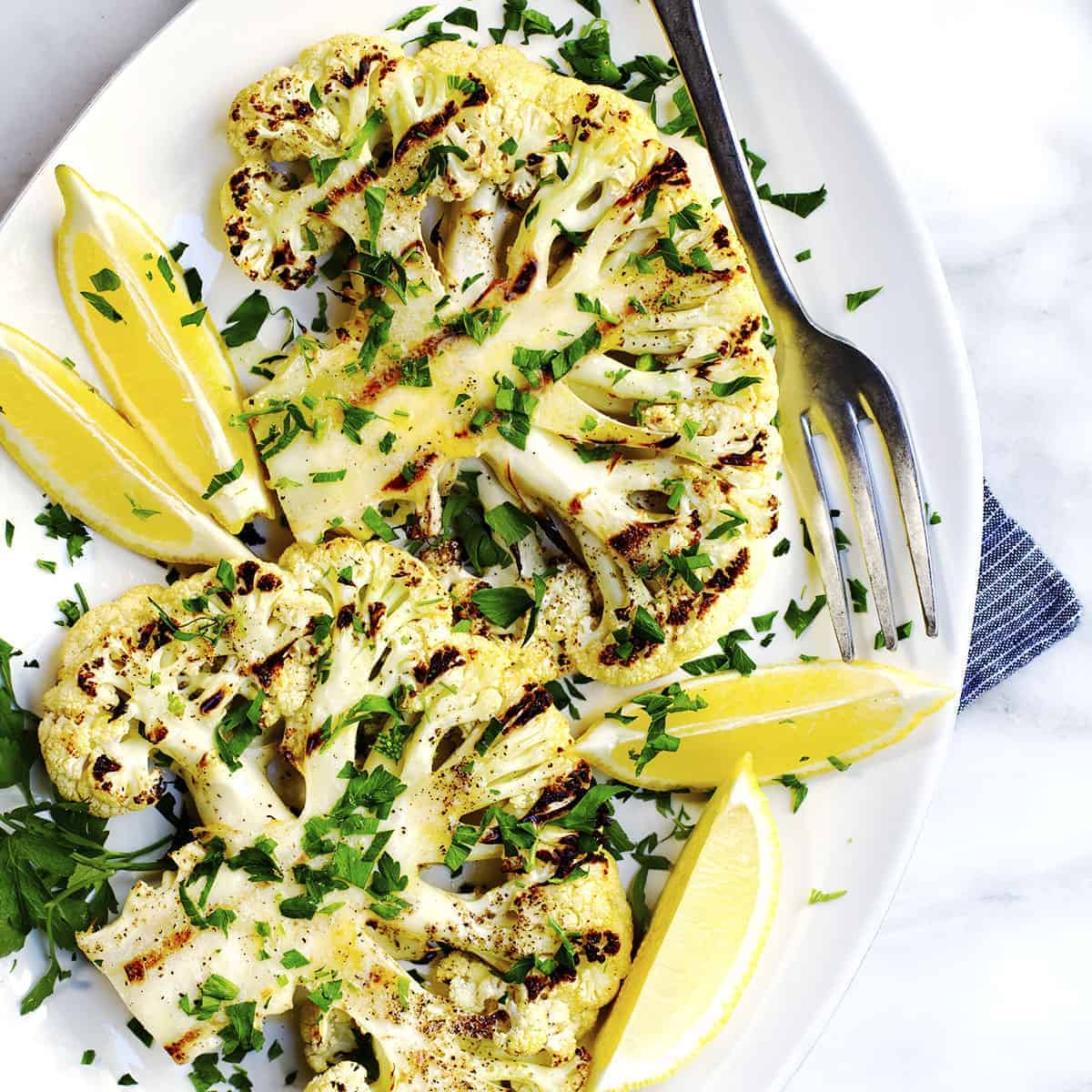
Unlocking the Magic of Grilled Cauliflower Steaks
Once considered a humble, often overlooked vegetable, cauliflower has experienced a magnificent culinary renaissance. Its versatility is truly astounding, capable of transforming into everything from a creamy mash to a crispy pizza crust. But perhaps its most stunning transformation occurs on the grill, where a simple head of cauliflower becomes something extraordinary: a succulent, smoky, and utterly satisfying "steak" with irresistible caramelized edges.
The journey to perfecting grilled cauliflower often begins with a revelation – a memorable dish tasted at a restaurant, inspiring home cooks to replicate that smoky, tender excellence. The good news? Achieving those restaurant-quality results at home is not only possible but surprisingly simple, provided you know a few crucial secrets. Forget the bland, soggy versions you might have encountered; this is about elevating cauliflower to star status, making it a dish so good, your guests will immediately ask when you’ll make it again.
What makes grilled cauliflower so captivating? It’s the perfect alchemy of high heat, a touch of char, and the right preparation. The direct flame coaxes out a natural sweetness, creating a complex flavor profile that's both earthy and robust. When properly executed, each bite offers a delightful contrast: a tender, yielding interior encased in a beautifully crisp, slightly charred exterior. Whether you're a seasoned grill master or a novice, mastering these fundamental techniques will unlock a world of flavor and texture, turning a simple vegetable into a culinary masterpiece.
The Crucial Cut: Thin is In (and Why)
Precision Slicing for Perfect Doneness
One of the most critical steps in achieving a perfectly grilled cauliflower steak lies in how you slice it. Unlike many vegetables that might benefit from a thicker cut, cauliflower needs a specific approach when hitting the hot grates directly. The secret, as many seasoned cooks will tell you, is to cut them thin – specifically, about 3/4 of an inch thick. This might seem counterintuitive, but it's essential for several reasons, primarily concerning even cooking and the development of those coveted char marks.
When you grill cauliflower steaks directly, you’re looking for a balance: a tender interior that cooks through without the exterior becoming burnt to a crisp. If your steaks are too thick, the outside will inevitably char and blacken long before the center has had a chance to soften. This results in an unappetizing combination of burnt edges and an unpleasantly raw, crunchy core. Conversely, cutting the steaks too thin – say, half an inch or less – can lead to them cooking too quickly. While they might get tender fast, they won’t spend enough time on the heat to develop those deep, smoky char marks and caramelized notes that define truly exceptional grilled cauliflower.
Achieving that precise 3/4-inch thickness requires a sharp knife and a steady hand. Start by placing the cauliflower head on a cutting board with the stem facing down. Carefully slice from the top down, aiming for even planks. Don't worry if a few florets detach – these "mini steaks" are still delicious and can be grilled alongside the larger pieces or cooked in a cast-iron skillet to prevent them from falling through the grates. This thoughtful approach to slicing ensures that your grilled cauliflower cooks evenly, allowing the natural sugars to caramelize beautifully, yielding that irresistible smoky flavor and tender texture in every single bite.
The Unsung Hero: Why the Core Stays
Structural Integrity and Even Cooking
Here’s another secret that might seem surprising to the uninitiated: when preparing your cauliflower for the grill, leave the core in. For many, the instinct is to trim away the tough core, much like you would with cabbage or broccoli. However, with grilled cauliflower steaks, the core is your best friend, playing two indispensable roles in ensuring perfect results.
Firstly, the core acts as the natural binder, holding the florets together. Imagine trying to flip individual florets on a hot grill; it would be a chaotic, frustrating endeavor, likely resulting in many small pieces falling into the coals below. By keeping the core intact, you maintain the "steak" form, making it incredibly easy to handle, flip, and transfer from grill to plate. This structural integrity is paramount for grilling ease and presentation.
Secondly, and just as importantly, the core cooks at the same rate as the surrounding florets when sliced to the recommended 3/4-inch thickness. By the time the outer parts are tender and beautifully charred, the core will also be perfectly edible and tender, offering a slightly different, denser texture that complements the softer florets. There's no need to fear a tough or woody core; when properly grilled, it becomes a delicious and integral part of the steak. This means less waste and more deliciousness, making your restaurant-quality grilled cauliflower even more efficient and enjoyable to prepare.
Should some of your cauliflower inevitably fall apart despite your best efforts – and it often will – don't fret! These smaller florets can still be grilled. If they're small enough to slip through the grates, simply toss them in a grill basket or cook them in a cast-iron skillet right on the grill. They’ll develop the same smoky flavor and tender texture, becoming delightful "mini steaks" or flavorful additions to salads and grain bowls.
Flavor Foundations: The Art of Generous Seasoning
Beyond Salt and Pepper: Elevating Your Steaks
A "flavorless slab of cauliflower" is perhaps the most egregious offense a home cook can commit. Just like any great steak, grilled cauliflower demands generous and thoughtful seasoning to truly shine. Simply oiling and grilling won't cut it. This is where you build the layers of flavor that transform a plain vegetable into an unforgettable dish.
Start with the basics: a good quality olive oil, salt, and freshly cracked black pepper. The oil is crucial not only for preventing sticking but also for helping the seasonings adhere and for promoting that beautiful, crispy char. Don't be shy with the salt; it brings out the cauliflower's natural sweetness and is essential for a well-balanced flavor. Pepper adds a subtle kick, but this is just the beginning.
To achieve those "smoky, spicy, caramelized edges" mentioned in many rave reviews, consider expanding your spice repertoire. Smoked paprika, garlic powder, onion powder, and a touch of chili powder or cayenne can add depth, warmth, and a delightful kick. For a Mediterranean twist, consider za'atar or a blend of oregano, thyme, and cumin. An Asian-inspired marinade with soy sauce, ginger, and sesame oil can also work wonders. The key is to rub your chosen seasonings thoroughly into both sides of each cauliflower steak, ensuring every nook and cranny is coated.
But the flavor journey doesn't end on the grill. Post-grilling, your cauliflower steaks are a blank canvas ready for further embellishment. A squeeze of fresh lemon juice adds brightness, while a sprinkle of fresh herbs like parsley or cilantro provides a vibrant finish. For creamy richness, a drizzle of ranch dressing, a dollop of tahini sauce, or even a sprinkle of feta or Parmesan cheese can elevate the experience. Don't be afraid to experiment with bolder flavors like a splash of hot sauce, a savory nam prik pla (Thai fish sauce), or a sweet and tangy honey mustard dressing for a completely different profile. Each addition layered onto your perfectly grilled cauliflower contributes to a more complex, satisfying, and memorable dish.
Beyond the Basics: Expert Tips for Grilled Cauliflower Excellence
Choosing Your Cauliflower and Pre-Grill Prep
The journey to perfect grilled cauliflower starts even before you reach for your knife. Selecting the right head of cauliflower is fundamental. Look for a head that is firm, dense, and feels heavy for its size. The florets should be tightly packed, and the color should be uniformly white or creamy white, without any significant yellowing or dark spots, which can indicate age or bruising. The outer leaves should be fresh and green, protecting the head.
Once you’ve got your perfect head, proper pre-grill preparation is key. After slicing your steaks to that ideal 3/4-inch thickness and ensuring the core remains intact, pat the cauliflower slices dry with paper towels. Excess moisture can steam the cauliflower instead of searing it, hindering the development of that coveted char. Once dry, generously coat both sides of each steak with olive oil. This not only helps the seasonings adhere but also acts as a crucial barrier to prevent sticking and promotes even browning and caramelization. Don't forget to lightly oil your grill grates before heating to a medium-high temperature – another essential step to ensure your beautiful steaks don't cling to the metal.
Mastering the Grill Techniques
Grilling cauliflower is an art of patience and observation. Aim for a medium-high heat. Place the cauliflower steaks directly over the heat, ensuring not to overcrowd the grill. Leave enough space between each steak to allow for even airflow and consistent cooking. Initially, you'll want to grill for about 5-7 minutes per side. Resist the urge to move them too soon; allowing them to sit undisturbed helps to develop those deep, smoky char marks. Once you see beautiful grill lines and the cauliflower begins to soften, it's time to flip.
After flipping, continue to grill for another 5-7 minutes, or until the cauliflower is fork-tender and exhibits an appealing char on both sides. The exact cooking time will vary depending on your grill's temperature, the thickness of your steaks, and your desired level of tenderness. Some cooks like a slight al dente crunch, while others prefer it meltingly soft. For truly perfect grilled cauliflower, consider closing the grill lid between flips; this helps to create a convection effect, cooking the cauliflower more evenly and infusing it with extra smokiness. Once cooked, transfer the steaks to a serving platter. A brief rest of a few minutes allows the flavors to meld and the internal temperature to equalize.
Creative Serving Suggestions
The versatility of grilled cauliflower extends well beyond just a side dish. While it certainly makes an excellent accompaniment to any meal, don't hesitate to let it take center stage. Serve it as a hearty vegetarian "steak" with a vibrant chimichurri, a creamy cashew sauce, or a spicy romesco. It’s fantastic alongside grilled halloumi or chickpeas for a plant-based feast. Cubed grilled cauliflower can be tossed into vibrant salads, added to grain bowls, or even layered into wraps and sandwiches for an extra punch of flavor and texture. Experiment with different spices and toppings each time you grill to discover new favorites and keep your cauliflower creations exciting and fresh.
Conclusion
Transforming a humble head of cauliflower into a smoky, tender, and irresistibly caramelized steak is a culinary triumph that's surprisingly within reach for any home cook. By embracing these essential secrets – cutting your cauliflower thin to a precise 3/4-inch, preserving the integrity of the core, and seasoning generously with a thoughtful hand – you unlock a world of flavor and texture that will elevate your perception of this versatile vegetable. The simple instructions lead to tender, perfectly cooked cauliflower steaks with delightful char marks, making it an easy-to-prepare dish that consistently earns rave reviews.
So, ignite your grill, gather your spices, and prepare to be amazed. Your next plate of grilled cauliflower won't just be a side dish; it will be a testament to how simple techniques can yield extraordinary results, proving that the perfect steak doesn't always have to be meat.
