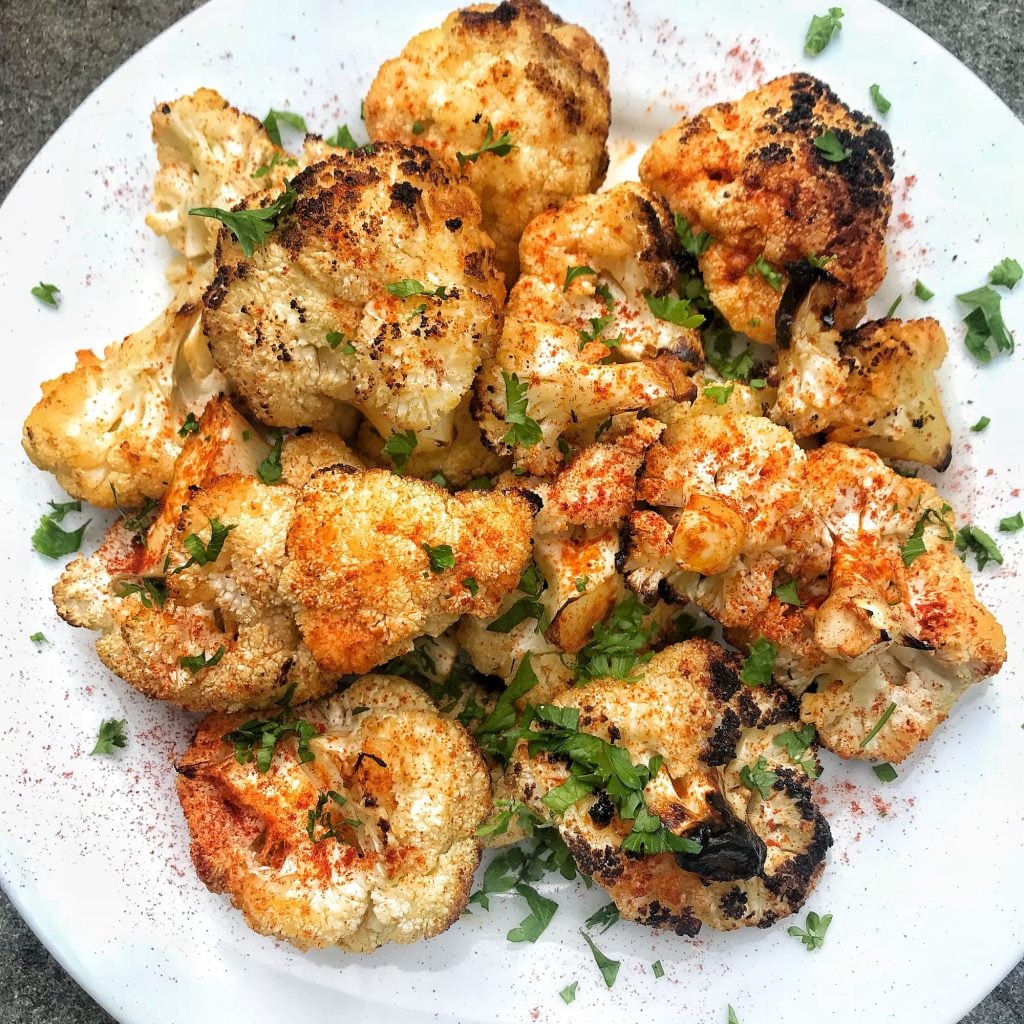
Restaurant-Quality Grilled Cauliflower: Your Simple Path to Smoky & Tender Perfection
Have you ever experienced that moment at a restaurant when a dish utterly surprises and delights you? For many, that revelation comes in the form of perfectly grilled cauliflower. Far from a bland, boiled vegetable, restaurant-quality grilled cauliflower transforms into something truly extraordinary – smoky, tender, with beautifully caramelized edges and a depth of flavor that lingers. It's so wonderful, in fact, that it inspires a quest to recreate that magic at home. The good news? It's not just possible, it's surprisingly simple, yielding results so impressive your guests will immediately ask, "When will you make this again?"
This article will guide you through the journey of mastering homemade grilled cauliflower, ensuring every bite is imbued with that sought-after smoky char, delicate tenderness, and robust flavor profile. Forget the notion of complicated culinary techniques; our focus is on straightforward steps and invaluable insights that elevate this humble vegetable to a star on your plate.
Unlocking the Secret to Restaurant-Quality Grilled Cauliflower
The allure of grilled cauliflower lies in its incredible transformation. When kissed by open flame, the natural sugars within the cauliflower caramelize, creating a subtly sweet and deeply savory crust. This exterior contrasts beautifully with the tender, almost creamy interior, making each bite a textural delight. The smoky notes from the grill infuse the cauliflower, adding a layer of complexity that raw or steamed versions simply can't achieve.
Achieving this restaurant-caliber outcome at home hinges on a few key principles: proper preparation, generous seasoning, and strategic grilling. We’re not just cooking cauliflower; we’re coaxing out its hidden potential, turning it into a dish that stands proudly as a side or even a vegetarian main course. The convenience of this preparation method, yielding such impressive results, is what makes grilled cauliflower a must-try for any home cook looking to impress with minimal fuss.
The Art of Preparing Your Cauliflower Steaks
The foundation of exceptional grilled cauliflower is how you prepare the florets. While tossing individual florets on the grill is an option, cutting the cauliflower into "steaks" is the professional secret to achieving that even cook, satisfying texture, and beautiful presentation.
Precision Cutting for Perfect Steaks
The ideal thickness for your cauliflower steaks is paramount. Aim for approximately **3/4-inch slices**. This specific measurement is crucial for several reasons:
* **Even Cooking:** At 3/4-inch, your cauliflower steaks will cook through to tender perfection at roughly the same rate as the exterior develops that desirable char and caramelization. Too thick, and the outside might burn before the inside softens; too thin, and they could cook too quickly, becoming overly soft and missing out on those crucial char marks.
* **No Parboiling Needed:** One of the beauties of this method is that you don't need to parboil the cauliflower first. The 3/4-inch thickness allows the heat from the grill to penetrate and tenderize the vegetable efficiently without pre-cooking.
* **Structural Integrity:** This thickness helps the steaks hold together better on the grill, making them easier to flip and manage.
To cut cauliflower steaks, first remove the outer leaves. Place the cauliflower on a cutting board, stem-side down. Using a large, sharp knife, slice straight down through the center of the core. Then, starting from one of the cut halves, continue slicing 3/4-inch thick "steaks," keeping the core intact as much as possible to hold the florets together. For more in-depth advice on this critical step, explore
Grilled Cauliflower Secrets: Cut Thin, Keep Core for Perfect Steaks.
The Indispensable Role of the Core
It might seem counterintuitive, but **leaving the core in** your cauliflower steaks is one of the most vital tips for successful grilling. The core serves as the natural glue, holding all the beautiful florets together, preventing your "steaks" from disintegrating into a scattering of tiny pieces on the grill grates.
Beyond its structural purpose, the core is perfectly edible and cooks to a pleasant tenderness at the same rate as the rest of the cauliflower. Don't worry if, despite your best efforts, some florets do break off – it happens! These "mini steaks" or individual florets can still be grilled alongside, perhaps tucked into a grill basket, or even cooked in a cast-iron skillet to prevent them from falling through the grates. The key is to embrace their charm and cook them similarly.
Flavor-Boosting Techniques: Seasoning & Beyond
A "flavorless slab of cauliflower" is something no one wants, and it's easily avoided with generous and thoughtful seasoning. This is where your grilled cauliflower truly comes alive, moving beyond a simple side to a dish brimming with character.
Season Generously: The Foundation of Flavor
Don't be shy with your seasonings. Before grilling, lightly brush your cauliflower steaks with a high-smoke-point oil (like avocado, grapeseed, or canola oil). This not only helps prevent sticking but also acts as a binder for your spices. Then, **salt both sides generously**. Salt is a flavor enhancer, crucial for bringing out the cauliflower's natural sweetness and savory notes.
Beyond salt, embrace a symphony of spices. For that classic smoky, savory depth, consider:
* **Smoked Paprika:** Adds a beautiful reddish hue and a deep, authentic smoky flavor.
* **Garlic Powder & Onion Powder:** Essential aromatics that build a foundational layer of flavor.
* **Cumin:** Earthy and warm, it complements the smoky notes perfectly.
* **Chili Powder or Red Pepper Flakes:** For a touch of heat, adding a dynamic kick.
* **Dried Herbs:** Oregano, thyme, or a touch of rosemary can also elevate the profile.
Experiment with your favorite spice blends! A simple mix of salt, pepper, garlic powder, and smoked paprika is often all you need, but don't hesitate to venture into more exotic territories with blends like za'atar, curry powder, or even a touch of sumac for tang.
The Power of Toppings & Dressings
Once off the grill, your cauliflower steaks are a blank canvas, ready to be adorned with toppings and dressings that elevate them from a simple side to a gourmet experience. This is where the dish truly shines, allowing for endless customization:
* **Creamy & Tangy:** A drizzle of creamy ranch dressing or a dollop of Greek yogurt mixed with herbs adds a delightful cool counterpoint to the smoky char.
* **Cheesy Indulgence:** A sprinkle of melty cheese (like mozzarella, provolone, or crumbled feta) right after grilling will melt beautifully over the warm cauliflower.
* **Piquant & Spicy:** A splash of your favorite hot sauce, a brush of nam prik pla (Thai fish sauce with chili), or a drizzle of a spicy tahini sauce can awaken the palate.
* **Sweet & Savory:** A honey mustard dressing offers a lovely sweet and tangy contrast, while a balsamic glaze can add sophisticated richness.
* **Fresh & Bright:** A sprinkle of fresh chopped parsley, cilantro, chives, or a squeeze of fresh lemon juice can cut through the richness and add a vibrant finish.
* **Textural Contrast:** Toasted nuts (pine nuts, slivered almonds), toasted sesame seeds, or crunchy fried onions can add a satisfying textural dimension.
Think of your grilled cauliflower as the star of a bowl. Pile it high with grains like quinoa or farro, add some fresh greens, and top with your chosen sauce and garnishes for a complete and satisfying meal.
Grilling to Perfection: Tips for That Smoky Finish
The final step in crafting restaurant-quality grilled cauliflower is the actual grilling process. Mastering the heat and timing is key to achieving those coveted tender interiors and beautifully charred, smoky exteriors.
Preheat is Paramount
Always start with a clean, well-oiled, and **preheated grill**. Whether gas or charcoal, allow your grill to reach a medium-high heat (around 400-450°F / 200-230°C). A hot grill is essential for getting those instant char marks and preventing the cauliflower from sticking.
Direct Heat for Char, Indirect for Tenderness
For 3/4-inch thick cauliflower steaks, you'll primarily be using **direct medium-high heat**. Place the seasoned cauliflower steaks directly over the heat source. Close the lid to allow the heat to circulate and cook the cauliflower more evenly.
* **Initial Grill Time:** Grill for about 5-7 minutes per side.
* **Achieving the Char:** Resist the urge to move the cauliflower too soon. Let it sit undisturbed to develop those beautiful grill marks and a rich, smoky char. Once you see a nice char, flip the steaks.
* **Checking for Doneness:** The cauliflower is ready when it's fork-tender but still has a slight al dente bite. The edges should be nicely caramelized and slightly crispy. If your grill is very hot and the outside is charring too quickly before the inside is tender, you can move the steaks to a cooler, indirect heat zone on your grill for a few extra minutes to finish cooking through.
The total grilling time will typically range from 12-20 minutes, depending on your grill's temperature and the exact thickness of your steaks. Trust your senses – look for the char and test for tenderness. For a deeper dive into expert grilling techniques, including temperature management and char development, check out
Master Grilled Cauliflower: Tips for Smoky, Tender Steaks.
Why Grilled Cauliflower is a Culinary Star
Beyond its incredible taste and impressive appearance, grilled cauliflower holds a special place in the culinary world for its versatility and health benefits. It's a nutrient-rich vegetable packed with fiber, vitamins, and antioxidants, making it a wholesome addition to any diet.
As a dish, it seamlessly transitions from a sophisticated side, accompanying anything from grilled meats to other vegetarian mains, to becoming the star of a plant-forward meal itself. For those exploring vegetarian or vegan options, grilled cauliflower steaks offer a hearty, satisfying "steak" experience without meat. Its ability to absorb flavors and achieve such a delightful texture makes it a crowd-pleaser, even for those who typically shy away from vegetables. The anecdotal evidence from home cooks, stating "Immediately was asked when I will make it again," speaks volumes about its universal appeal.
Conclusion
Recreating restaurant-quality grilled cauliflower at home is not just achievable; it's a culinary triumph that's both simple and deeply rewarding. By understanding the nuances of precise cutting (3/4-inch thick with the core intact), embracing generous seasoning, and employing smart grilling techniques, you can unlock a world of smoky, tender, and caramelized deliciousness. This is more than just a recipe; it's an invitation to transform your perception of cauliflower and impress your palate and your guests. So fire up that grill, gather your spices, and prepare to embark on a flavorful journey that will undoubtedly become a staple in your home cooking repertoire.